
Wow, this surprised me. I had been trying different Solana wallets for months without much luck, hopping between extensions and mobile apps and feeling like I was repeating the same onboarding loops. The browser extension experience often felt clunky and confusing to a lot of users, especially when transaction states didn’t match what explorers showed. Initially I thought the problem was just onboarding, but after deep diving into key management, UX flows, RPC quirks, node reliability, wallet-provider interplay, transaction batching behavior, and how third-party dapps interpret pending transactions under concurrent signature requests I realized the issue ran deeper, touching both how users perceive confirmation and how wallets choose to resubmit signatures which creates cascading confusion that many guides blithely ignore. Here’s what I want to share from that mess.
Seriously, this matters. If you are on Solana and you use a browser wallet you should care about how confirmations are presented and how networks are chosen for RPC calls. Security, speed, and reliable transaction visibility are not optional in practice; they shape user trust and retention. On one hand many extensions prioritize simplicity and market fit, though actually when the chain moves fast and fees spike the wallet’s behavior can result in unexpected nonce errors, missed signatures, or confusing pending states that feel like the rug is about to pull. My instinct said some wallets gloss over internal confirmations, and that unsettled me.
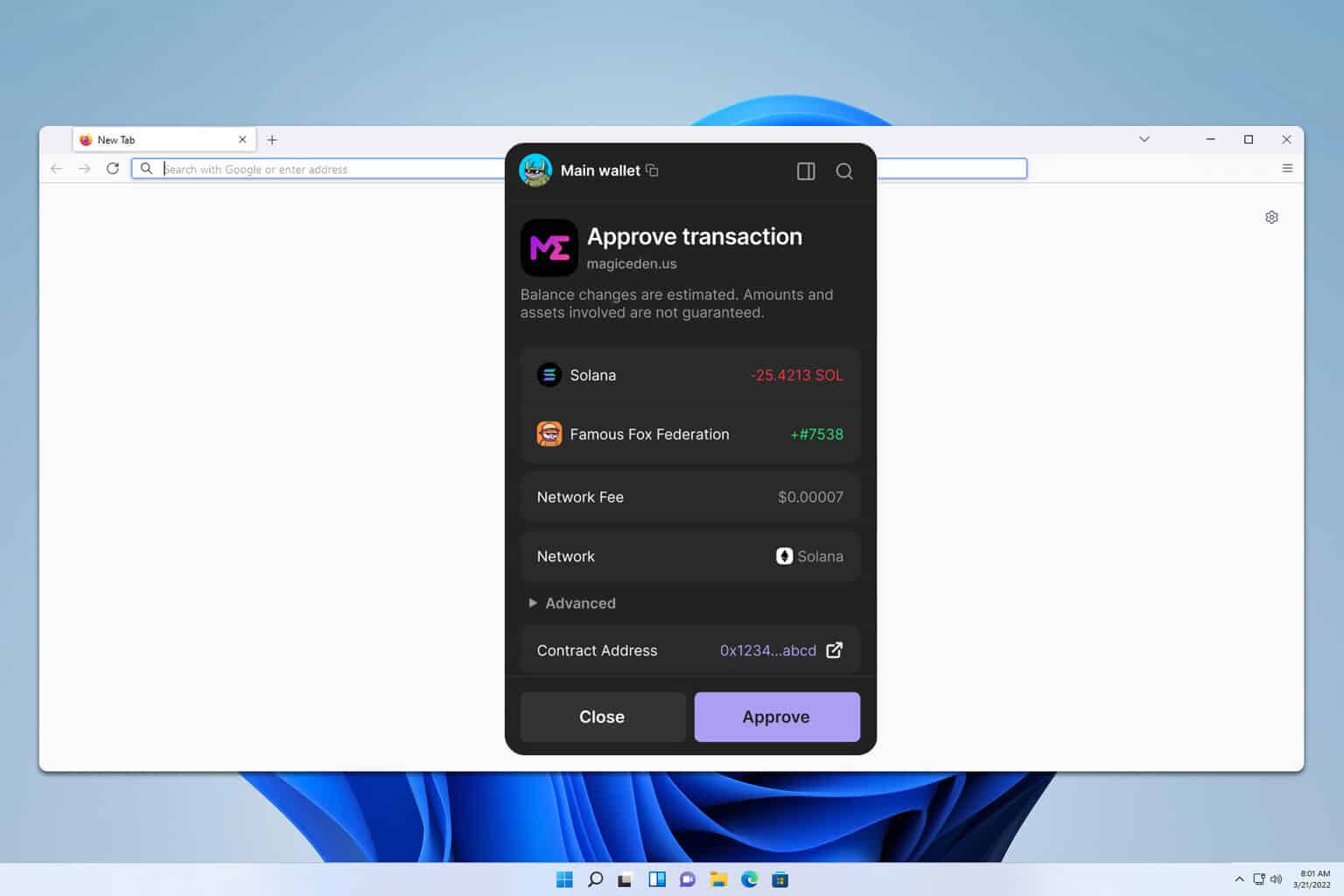
Hmm, interesting observation. I used the extension a lot for swaps, staking, and NFT drops and I kept notes in a scratch doc. Sometimes it showed an approval modal twice, or a pending state that never cleared and the UX didn’t help explain why. My experience is anecdotal, but after comparing logs and RPC responses across multiple providers I could see mismatched slot confirmations and retransmitted signatures causing visible UI confusion for users who expected atomic clarity. Okay, so check this out—there’s a wallet extension that handled many of these rough edges for me.
Quick note on a practical option
It’s called phantom wallet and it balances usable UX with sensible defaults for security and RPC handling. I installed the extension, sent a test amount, and observed it during a busy drop to see how it reacted under pressure. There were fewer confusing pending states, better transaction grouping in the UI, and clear signature prompts, which gave me confidence while I was trying to snipe an NFT during heavy network chatter. I’ll be honest, that specific behavior really impressed me during the test and it changed my expectations for what an extension should do.
Whoa, not bad. Still, no wallet is perfect and what works for me may not fit your needs, somethin’ to keep in mind. On one hand Phantom simplifies account setup and network selection, while still offering advanced controls for power users. If you need deep ledger integration across multiple devices, atomic transaction simulation, or enterprise-level policy enforcement you may hit limits and should evaluate how extensions meet your governance needs before migrating large balances. Also, extensions sometimes update overnight and that can throw off seasoned users.
Here’s the thing. If you want to try it, start with tiny transfers and enable recommended security features to see how confirmations behave for you. Also, tie the extension into a hardware wallet or use a dedicated machine if you manage significant funds, because the browser surface increases attack vectors and you should always layer your defenses rather than relying on convenience alone. My instinct said security layering was tedious, but it helped avoid a near miss when a rogue site attempted repeated signature prompts. Honestly, I’m biased toward tools that balance clarity with control, though I remain open to improvements and I plan to keep testing wallets across newer Solana updates and extension APIs so I can share more notes as things evolve.
FAQ
Is a browser extension safe for everyday Solana use?
Short answer: yes, with caveats. Start small, enable security options, and consider combining an extension with a hardware signer if you’re moving significant funds.
How do I troubleshoot pending transactions?
Check RPC endpoints, confirm the slot and signature status on an explorer, and retry with a higher priority fee if needed; sometimes switching RPC providers helps, though it’s not a silver bullet.